
Sleep is critical for nervous system recovery because it is when the brain organizes memories, repairs nerve cells, regulates inflammation, restores neurotransmitter balance, and clears metabolic waste through the glymphatic system. Chronic poor sleep prevents the nervous system from adapting and healing — making chronic pain, dysautonomia, brain fog, and fatigue significantly harder to recover […]
Vagus Nerve Exercises for Dysautonomia: Helping Your Nervous System Find Its Balance

The most effective vagus nerve exercises for dysautonomia and POTS are slow diaphragmatic breathing, humming, gargling, gentle cold exposure, and mindful walking — practiced consistently over weeks to help the autonomic nervous system regain regulation. If you have been diagnosed with dysautonomia, POTS, or chronic autonomic dysfunction, you’ve probably heard someone say, “You need to […]
Central Sensitization and POTS: The Hidden Connection

Many people living with POTS (Postural Orthostatic Tachycardia Syndrome), chronic pain, or other forms of dysautonomia are told that their symptoms are unrelated. One specialist focuses on the rapid heart rate. Another addresses headaches. A rheumatologist may diagnose fibromyalgia. A gastroenterologist treats digestive problems. Meanwhile, no one explains why all of these symptoms often occur together. […]
Can Spinal Stenosis Improve Without Surgery?

Understanding Spinal Stenosis Spinal stenosis is one of the most common causes of back pain, leg pain, numbness, and walking difficulties in adults over the age of 50. The condition occurs when the spaces within the spine narrow, placing pressure on the spinal cord or nerve roots. This narrowing may result from age-related degeneration, disc […]
Can Neurofeedback Help Anxiety, ADHD, and Brain Fog?
Understanding Brain Function in Real Time Many people struggling with anxiety, ADHD, brain fog, poor concentration, or stress-related symptoms wonder whether there is a way to train the brain to function more efficiently. Neurofeedback is one approach that has gained increasing attention for its ability to provide real-time information about brain activity and help individuals […]
What Causes Neuropathy When Blood Sugar Is Normal?
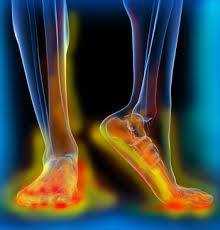
Neuropathy Is Not Always Caused by Diabetes One of the most common misconceptions about peripheral neuropathy is that it only occurs in individuals with diabetes. While diabetes remains a leading cause of nerve damage, many people develop neuropathy despite having normal blood sugar levels. Patients are often told that their glucose is normal and, therefore, […]