Modern medicine excels at diagnosing and treating disease in its acute stages. What it struggles with — consistently, across virtually every specialty — is the vast middle ground between “healthy” and “sick enough to diagnose.” This is where most chronic illness lives. And it is precisely where functional medicine begins.
Functional medicine is a systems-based, root-cause approach to healthcare that asks not just what condition does this patient have, but why does this patient have it — and what is sustaining it? The answers to those questions produce treatment plans that are fundamentally different from the symptom-management protocols of conventional medicine.
Dr. Veselak’s practice in Camarillo, CA is built around this philosophy. Patients come here when they haven’t found answers elsewhere — when they’ve been told their labs are “normal” despite feeling chronically unwell, when their conditions are managed but never resolved, when they sense that something deeper is driving their symptoms and no one has looked for it.
What Makes Functional Medicine Different
Conventional medicine is organized around diagnosis. Once a diagnosis is made, treatment follows a standardized protocol: this condition gets this medication. The protocol is the same for every patient with that diagnosis, regardless of what caused it, what else is happening in their body, or what their individual biochemistry looks like.
Functional medicine recognizes that the same diagnosis can have completely different causes in different patients — and that the same cause can produce different diagnoses in different patients. Two patients with fibromyalgia may have entirely different root causes: one driven by gut dysbiosis and neuroinflammation, the other by hypothyroidism and nutrient deficiency. Treating them identically produces poor results for both.
The functional medicine evaluation goes substantially deeper than standard care:
- Comprehensive history: A detailed timeline of health, symptoms, life events, diet, stress, sleep, environmental exposures, and prior treatments — looking for patterns that reveal when dysfunction began and what is sustaining it
- Advanced laboratory assessment: Testing that goes far beyond the basic metabolic panel to evaluate nutrient status, inflammatory markers, hormonal function, gut health, genetic variants, and metabolic pathways that standard care never examines
- Personalized treatment planning: Based on findings specific to that patient — not a protocol designed for an average patient with that label
- Ongoing monitoring: Tracking objective markers over time to confirm the plan is working and adjusting as the patient evolves
Core Areas of Functional Medicine Assessment
Inflammatory Status and Immune Function
Chronic low-grade inflammation underlies virtually every chronic disease — cardiovascular disease, diabetes, autoimmunity, neurodegeneration, and chronic pain. Standard inflammatory testing (basic CRP, sed rate) is designed to detect acute, dramatic inflammation and routinely misses the low-grade chronic inflammatory state driving most chronic illness.
Functional medicine assessment uses sensitive markers — hsCRP, homocysteine, IL-6, fibrinogen — and investigates the sources: diet, gut dysbiosis, toxin burden, chronic infections, and autoimmune activation.
Gastrointestinal Health
The gut is the foundation of health. It is where nutrients are absorbed, where 70% of the immune system resides, where the majority of serotonin is produced, and where the interface between the external environment and the bloodstream is maintained. When that interface breaks down — through dysbiosis, intestinal permeability, or chronic inflammation — the consequences ripple throughout every system in the body.
Functional medicine GI assessment includes comprehensive stool analysis (evaluating the microbiome, digestive function, inflammation, and pathogens), intestinal permeability testing, SIBO evaluation, and H. pylori testing — not just the symptom-driven endoscopy of gastroenterology.
Hormonal and Endocrine Function
Hormones regulate virtually every physiological process — metabolism, energy production, immune function, mood, sleep, pain sensitivity, and tissue repair. Hormonal imbalances that don’t meet diagnostic thresholds for full endocrine disease nonetheless produce significant symptoms and accelerate aging and chronic disease.
Functional medicine hormonal assessment goes beyond TSH and total testosterone to include:
- Full thyroid panels (free T3, free T4, reverse T3, TPO and thyroglobulin antibodies)
- Complete sex hormone panels (estradiol, progesterone, DHEA-S, free and total testosterone)
- Adrenal function testing (four-point salivary cortisol, DHEA)
- Insulin and glucose metabolism beyond HbA1c
Nutritional Status and Metabolism
Every biochemical reaction in the body requires specific cofactors — vitamins, minerals, amino acids, and fatty acids. Deficiencies impair function subtly at first, then more severely. They are extraordinarily common in modern populations — yet rarely evaluated by standard care beyond basic CBC and metabolic panel.
Functional medicine nutritional assessment identifies deficiencies and insufficiencies in vitamin D, B vitamins (including the active metabolites that reveal functional deficiency even when standard levels appear normal), magnesium, zinc, iron, omega-3 fatty acids, CoQ10, and other clinically relevant nutrients.
Genetic and Epigenetic Factors
Genetic variants — particularly single nucleotide polymorphisms (SNPs) — affect how individuals metabolize nutrients, process toxins, regulate neurotransmitters, and respond to inflammation. These variants don’t determine destiny, but they shape vulnerability in ways that targeted intervention can address.
Key variants assessed in functional medicine include:
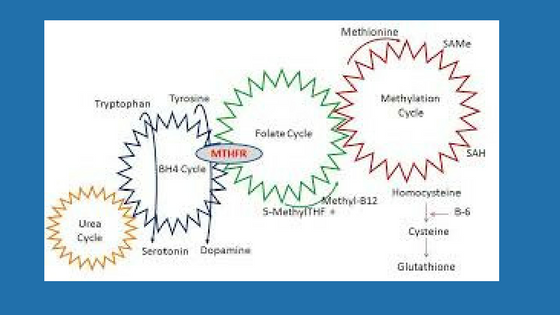
MTHFR: Affects methylation capacity — the fundamental biochemical process underlying detoxification, neurotransmitter production, DNA repair, and immune regulation. MTHFR variants are associated with elevated homocysteine, impaired folate metabolism, and increased risk across a range of chronic conditions.
COMT: Encodes the enzyme that breaks down dopamine, epinephrine, and estrogen. Variants affect mood regulation, stress resilience, pain sensitivity, and hormone balance.
VDR: Vitamin D receptor variants affect how effectively the body uses vitamin D — independent of vitamin D levels, relevant for immune function, inflammation, and bone health.
APO E: Affects lipid metabolism and Alzheimer’s risk, with direct implications for dietary fat recommendations and cardiovascular prevention.
Toxin Burden and Detoxification
We live in an unprecedented toxic environment. Heavy metals, pesticides, industrial solvents, plasticizers, and mold mycotoxins accumulate in body tissues and drive oxidative stress, immune dysregulation, hormonal disruption, and neurological damage. Standard medical evaluation almost never assesses toxic burden.
Functional medicine includes heavy metal testing (urine provoked or unprovoked toxic metals panels), mold/mycotoxin testing where indicated, and assessment of hepatic detoxification capacity — evaluating both phase I and phase II liver detoxification pathways that process endogenous and exogenous toxins.
Mitochondrial Function and Energy Production
Mitochondria are the energy-producing organelles in every cell. Their dysfunction — increasingly recognized as central to chronic fatigue, fibromyalgia, cognitive decline, and aging — manifests as fatigue disproportionate to activity, exercise intolerance, and slow recovery. Organic acids testing, CoQ10 levels, and carnitine status provide windows into mitochondrial health.
Conditions Commonly Addressed With Functional Medicine
Dr. Veselak’s functional medicine approach addresses a broad range of chronic conditions:
- Chronic fatigue and fibromyalgia — identifying and treating the metabolic, inflammatory, and neurological drivers
- Autoimmune conditions — Hashimoto’s thyroiditis, rheumatoid arthritis, lupus, psoriasis, inflammatory bowel disease — addressing the immune dysregulation and environmental triggers
- Digestive disorders — IBS, SIBO, leaky gut, dysbiosis, food sensitivities
- Hormonal imbalances — thyroid dysfunction, adrenal fatigue, estrogen dominance, testosterone deficiency, perimenopause and andropause
- Chronic pain — identifying the inflammatory and neurological root causes
- Metabolic syndrome and pre-diabetes — reversing insulin resistance before it becomes diabetes
- Cognitive decline and brain fog — addressing the metabolic, inflammatory, and genetic drivers of neurological underperformance
- Mood disorders — anxiety and depression with identifiable nutritional, hormonal, or gut-brain axis contributions
- Cardiovascular risk — advanced lipid analysis, inflammatory cardiovascular markers, and metabolic optimization beyond standard cholesterol management
- Weight loss resistance — identifying the hormonal, metabolic, and inflammatory factors preventing weight normalization
Functional Medicine and Functional Neurology Together
Dr. Veselak’s practice is distinctive in combining functional medicine with functional neurology — two disciplines that are complementary in ways that produce outcomes neither achieves alone.
Functional medicine addresses the metabolic environment: what is inflaming the nervous system, depleting the nutrients it needs, disrupting the hormones that regulate it, and impairing the detoxification pathways that protect it.
Functional neurology addresses the nervous system directly: rehabilitating the specific circuits that have been dysregulated by those metabolic insults.
Together, they provide a genuinely comprehensive approach to complex chronic conditions — one that is rare to find in a single practice.
What to Expect as a Patient
New functional medicine patients at Dr. Veselak’s clinic begin with a comprehensive intake that covers health history in far more depth than a standard medical appointment allows. Based on this history, appropriate advanced laboratory testing is ordered.
Once results are available, a detailed consultation reviews findings and presents a personalized treatment plan — addressing nutrition, supplementation, lifestyle, and where indicated, neurological rehabilitation. Follow-up appointments track progress on objective markers and adjust the plan as the patient improves.
This is not a quick fix. Functional medicine produces durable results because it addresses causes — and causes take time to correct. Most patients begin noticing meaningful improvement within 4–12 weeks; full resolution of complex chronic conditions may take 6–12 months of consistent work.
Frequently Asked Questions
Is functional medicine evidence-based?
Yes. The individual components — nutritional assessment and repletion, gut microbiome testing and restoration, hormonal evaluation, anti-inflammatory dietary protocols — all have peer-reviewed research support. The integrated systems approach is newer in research terms but grounded in established biochemistry and physiology.
Can functional medicine work alongside my conventional care?
Absolutely. Functional medicine complements conventional care — it does not replace it. Dr. Veselak works collaboratively with patients’ other providers.
Do I need to stop my medications?
No, and never without coordinating with your prescribing physician. The goal is to address root causes so that over time, medications can be reduced — but this is a gradual process guided by clinical response and lab markers.
Does insurance cover functional medicine?
Some services may be covered; others are not. Please contact our office for current insurance and payment information.
I’ve had lots of tests done already. Why would your testing be different?
Standard medical testing is designed to identify diagnosable disease. Functional medicine testing is designed to identify the subclinical dysfunction that produces symptoms before a diagnosable disease develops. They answer different questions — which is why patients with “normal” standard results often find clear answers through functional medicine assessment.
Ready to Find Real Answers?
If you’ve been managing symptoms without understanding what’s causing them — if your labs come back “normal” but you know something is wrong — functional medicine offers the depth of evaluation that standard care does not.
Dr. Veselak serves patients from Camarillo, Ventura, Oxnard, Thousand Oaks, and throughout the greater Los Angeles and Southern California area. If you are ready to stop managing your condition and start addressing it, we are ready to help.
Contact our office to schedule your functional medicine consultation.
Explore Our Functional Medicine Articles
Our in-depth articles explore the root-cause approach to chronic illness, lab testing, and the science behind functional medicine:
- What Is Functional Medicine? How It Differs From Conventional Care
- Functional Medicine Lab Testing: What We Look For and Why Standard Tests Miss It
- The Gut-Brain Axis: How Your Gut Health Affects Your Brain, Mood, and Pain
- MTHFR and Methylation: What These Gene Variants Mean for Your Health
- Functional Medicine for Autoimmune Conditions: Addressing the Root Cause of Immune Dysfunction
Related Articles
- What Is Functional Medicine? How It Differs From Conventional Care
- Functional Medicine Lab Testing: What We Look For and Why Standard Tests Miss It
- The Gut-Brain Axis: How Your Gut Health Affects Your Brain, Mood, and Pain
- MTHFR and Methylation: What These Gene Variants Mean for Your Health
- Functional Medicine for Autoimmune Conditions: Addressing the Root Cause of Immune Dysfunction